
Late winter sits in a narrow window where small decisions about tree care can have long-term impact. As spring approaches, the difference between pruning now and waiting a few more weeks can affect how a tree heals, how vulnerable it is to disease, and how much corrective work it needs later on. Knowing why this window matters – and which trees should or shouldn’t be touched – is the difference between helping your trees and setting them back.
Key Takeaways
- The optimal tree pruning window in Northern Virginia is late winter (February-March) before trees begin leafing out in mid-April.
- Dormant season pruning minimizes disease transmission risk and allows trees to heal faster when growth resumes in spring.
- Sap-producing trees, like maples and birches, must be pruned before March, while spring-flowering trees should wait until after bloom.
- Winter pruning scheduling offers more flexibility and availability before higher demand for tree work begins in the spring.
- Proper late-winter pruning removes weak branches before storm season, significantly reducing property damage risk.
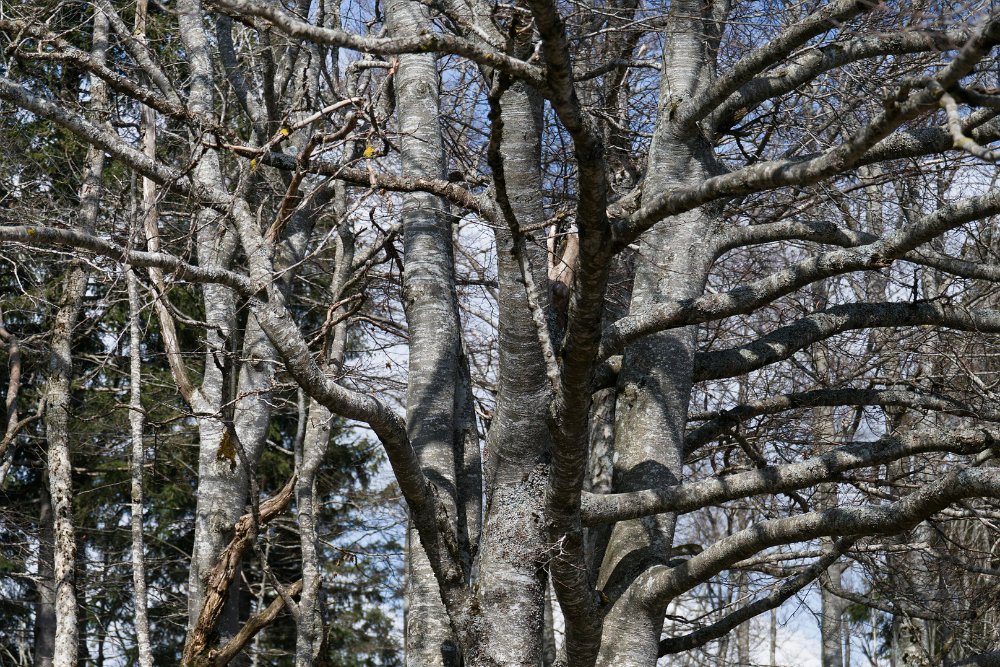
Late winter provides excellent visibility of tree structure, allowing arborists to identify dead wood, weak branches, and structural issues hidden during the growing season.
When Is the Best Time to Prune Trees in Northern Virginia?
For most tree species in Northern Virginia, the ideal time to prune is in late winter, before buds begin to swell and new growth emerges. This window typically runs through February and March, ending as trees prepare to leaf out in mid-April.
How to Tell When the Late Winter Pruning Window is Closing
Rather than relying on calendar dates alone, the most accurate way to time late-winter pruning is by watching how trees respond to warming conditions. As temperatures rise, trees shift out of dormancy and begin preparing for new growth, signaling that the pruning window is narrowing.
In Northern Virginia, leaf-out generally begins in mid-to-late April, according to the USA National Phenology Network’s Spring Index data. However, local conditions can cause that timing to vary significantly.
Regional microclimates influence when trees begin to wake up:
- Alexandria and Arlington: Earliest leaf-out occurs in early to mid-April due to the urban heat island effect and lower elevation near the Potomac River.
- Great Falls: Latest leaf-out happens in late April to early May due to higher elevation and cooler microclimate along the Potomac gorge.
- Vienna and Fairfax: Mid-to-late April leaf-out occurs, with elevation providing slightly cooler temperatures than river areas.
- Springfield and Burke: Mid-April leaf-out represents typical timing for central Fairfax County’s suburban areas.
One of the clearest indicators that the pruning window is closing is bud swell. Buds usually begin to expand two to three weeks before leaves fully emerge. Once buds start showing green, winter pruning opportunities are limited and should be prioritized carefully.
PRO TIP: Seasonal weather patterns can shift pruning timelines by up to two weeks. Observing bud development provides a more reliable indicator than calendar dates alone.
Why Late Winter Is the Best Time to Prune Trees in Northern Virginia
Late winter pruning offers multiple advantages over other seasonal timing options. Understanding why tree trimming is important helps homeowners make informed scheduling decisions.
Improved Tree Healing and Recovery
During dormancy, trees store maximum energy reserves in their root systems. This energy allocation promotes faster wound healing when active growth resumes in spring. Dormant trees focus entirely on sealing pruning cuts rather than using energy on leaf production or active transport.
The absence of leaves during winter provides also helps arborists get a clear view of branch structure, dead wood, and potential hazard points that might be hidden during the growing season. This visibility leads to better pruning decisions.
Reduced Disease and Pest Pressure
Fungal pathogens and disease-carrying insects remain largely inactive during cold weather, making pruning cuts a potential entry point for pests and diseases. Pruning in winter leads to minimal exposure time before active tree growth begins, reducing infection risks significantly compared to growing season pruning.
The reduced risk of attracting boring insects to fresh wounds is especially important in Northern Virginia, where oak decline continues to threaten regional tree populations, according to Fairfax County Public Works. Proper timing helps protect stressed trees from additional pest pressure.
Increased Scheduling Availability
Tree care companies work year-round, but demand naturally increases once spring arrives and growth accelerates. Scheduling pruning in late winter often means more flexibility in appointment timing and shorter lead times before the seasonal rush begins.
This can make it easier to plan service around your schedule and allows time for thoughtful recommendations during the visit. Late-winter pruning appointments often provide an opportunity for arborists to assess overall tree health and discuss proactive care before the growing season gets underway.
Reduced Risk of Storm Damage
Completing the work before spring and summer storms hit will increase the durability of your tree and lower the risk of failure during a storm. An arborist can inspect your trees and find any weak or potentially hazardous branches before they fail.
Scheduled pruning to make your tree more durable during a storm costs a fraction of emergency removal and storm damage cleanup.
PRO TIP: Pruning to reduce the risk of storm damage is even more vital in urban areas where trees and houses are close together. For more information on the topic, see our previous article on the difference in pruning between urban and rural areas.
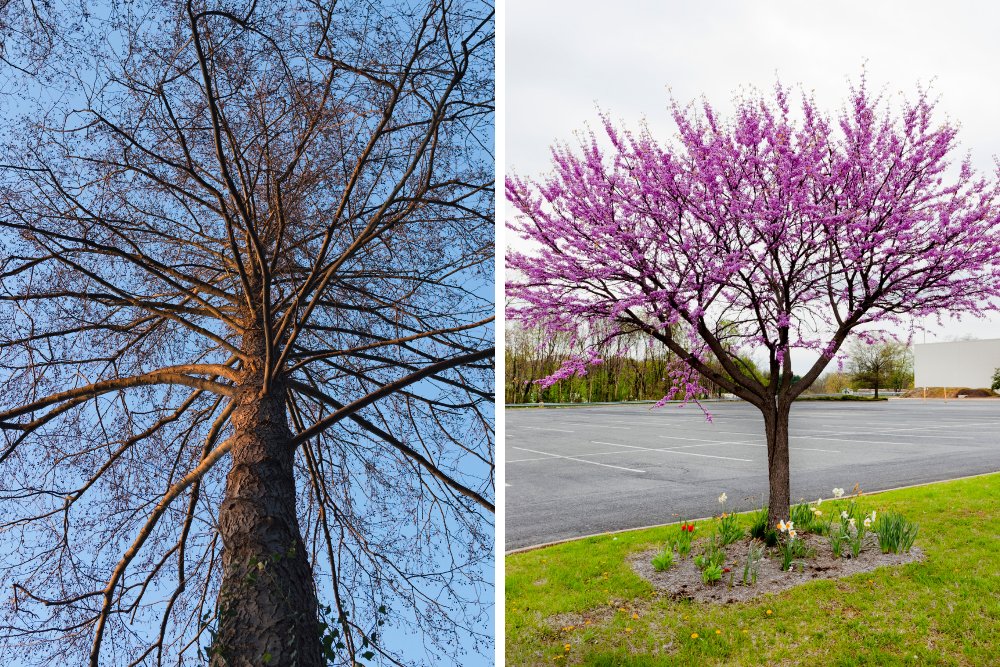
The contrast between a dormant oak tree and a blooming redbud illustrates why timing matters, as spring-flowering trees like redbud should wait until after bloom for pruning
Which Trees Should Be Pruned in Late Winter – and Which Should Wait
Different tree species respond differently to winter pruning. While most trees benefit from it, there are a few species for which it is better to wait.
Tree Species That Respond Best to Late Winter Pruning
These tree types should be prioritized for February and March pruning:
- Heavy Sap Producers: Maples, birches, and elms must be pruned before March when sap flow begins
- Fruit Trees: Apples, pears, and cherries benefit from dormant structural pruning for healthy production
- Shade Trees: Oaks, hickories, and tulip poplars respond well to structural work and deadwood removal during dormancy
- Evergreens: Most conifers can be shaped during late winter with excellent visibility
- Emergency Situations: Dead, damaged, or hazardous branches require immediate attention regardless of season
Tree Species That Require Alternate Pruning Timing
Certain species perform better with different timing:
- Spring-Flowering Trees: Dogwoods, redbuds, flowering cherries, and azaleas should wait until after blooming (May-July)
- Newly Planted Trees: Wait one full growing season for establishment before structural pruning
- Stressed or Declining Trees: Professional assessment required before any pruning to avoid further weakening compromised specimens
Frequently Asked Questions About Late Winter Pruning
What happens if I miss the late-winter pruning window?
You can still prune most trees in early spring before full leaf-out, but scheduling becomes more challenging. Avoid pruning maples, birches, and elms once sap flow begins.
Should I prune fruit trees at the same time as shade trees?
Yes, fruit trees benefit from dormant season pruning for structure, disease prevention, and fruit production. Late winter timing is ideal for most fruit tree species common to Northern Virginia.
Why is scheduling easier in winter for tree pruning?
Tree care professionals have greater availability during winter months before spring demand peaks, allowing for more flexible scheduling and thorough project planning.
Will proper pruning help prevent storm damage?
Proper pruning removes dead, weak, and poorly attached branches most likely to fail during storms, significantly reducing property damage and injury risk. However, we recommend always using caution around trees during storms, as even seemingly healthy trees can fail.
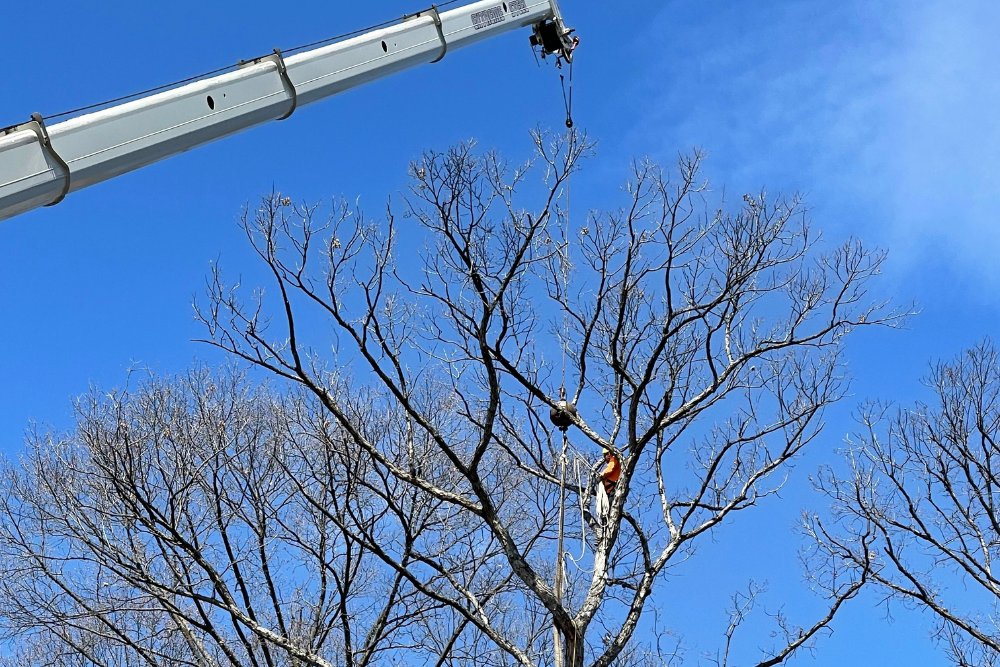
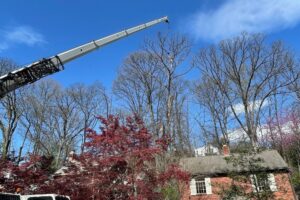
Professional arborists use specialized equipment like crane lifts to safely access and prune large shade trees during the optimal late winter window.
Don’t Wait – Schedule Your Late Winter Pruning with Absolute Tree
The February-March window for optimal late winter pruning in Northern Virginia closes rapidly as trees prepare for spring growth. If your trees need a trim this winter, the Absolute Tree team is ready to help. Our arborists know how to properly prune trees to leave them healthy and more durable during a storm.
Call us today at 703-969-6207 or request an estimate online.
For the Absolute Best Tree Service in Northern Virginia, call Absolute Tree Today!

Author Profile: Ashley Davis
Over the last 19 years, Absolute Tree has grown a reputation as one of the premier tree service companies in the Northern Virginia areas. And there’s a good reason for this—we love trees and our passion for them shows. When you call on Absolute Tree for tree service, you aren’t just getting “some guys who cut down trees.” You’re hiring highly skilled arborists who understand the growth of trees and consider tree care an art form.
Recent Articles
About Absolute Tree Service
Over the last 19 years, Absolute Tree has grown a reputation as one of the premier tree service companies in the Northern Virginia areas. And there’s a good reason for this—we love trees and our passion for them shows. When you call on Absolute Tree for tree service, you aren’t just getting “some guys who cut down trees.” You’re hiring highly skilled arborists who understand the growth of trees and consider tree care an art form.
Stay Up-to-date!
Swing in each month for new articles, pest alerts, local resources, tree care tips, tree health updates, and landscape maintenance ideas


