Across Northern Virginia, buyers are paying closer attention to overall property condition than they were in previous years. While home prices in Arlington, Alexandria, and surrounding areas have continued rising in 2026, homes are also sitting on the market longer than they did a year ago.
That shift matters for homeowners preparing to sell in Arlington, Alexandria, and Falls Church. Buyers aren’t just looking at kitchens and bathrooms anymore. Dead limbs over the roof, overgrown canopies blocking natural light, roots affecting hardscapes, and visibly declining trees are the kinds of details that now stand out during showings and inspections.
Key Takeaways
- Buyers’ inspectors regularly flag dead trees, branches over the roof, and large stumps, which can lead to reductions or repair credits.
- Tree removal, stump grinding, and light safety pruning give sellers the biggest pre-listing return on a tree-care budget.
- Virginia is a caveat emptor (“buyer beware”) state, so sellers don’t have to volunteer tree problems, but they also can’t lie when asked, and a written arborist assessment can cleanly satisfy buyer questions.
- Most pre-listing tree work needs four to eight weeks of lead time, and structural removals or major pruning need longer.

A clean front yard with healthy trees and no visible stumps or deadwood photographs better and signals well-maintained property to prospective buyers.
Why Does Tree Condition Affect Your Home’s Sale Price?
Tree condition affects sale price because trees are one of the first things a buyer sees and one of the easiest things for an inspector to point out. Healthy mature trees in your front yard can add real value. In 2021, a University of Nebraska-Lincoln study sponsored by the Arbor Day Foundation and USDA Forest Service reported residential trees added more than $31.5 billion in property value across the country each year.
The other side is what most sellers need to think about: dead, leaning, or visibly neglected trees do the opposite of curb appeal. To a buyer driving by, they see deferred maintenance. With Alexandria’s list-to-sale ratio sliding more than two points annually, every visible prep issue carries more leverage than it did a year ago. Luckily, tree problems happen to be one of the ones you can fix.
What Tree Problems Do Home Inspectors Actually Flag?
Home inspectors aren’t arborists, but they’re trained to call out trees when something is visibly wrong. Most reports won’t include a health diagnosis, but they will note hazards. Once that note is in the report, the buyer’s agent has something to negotiate with. Here’s what shows up most often in Northern Virginia inspection reports:
- Dead or dying trees within striking distance of the house
- Large limbs touching or hanging over the roof, with less than four to six feet of clearance
- Leaning trees, especially toward structures, walkways, or a neighbor’s property
- Visible trunk decay, large cavities, or fungal conks (mushroom-like growths)
- Roots heaving sidewalks, driveways, or running tight to the foundation
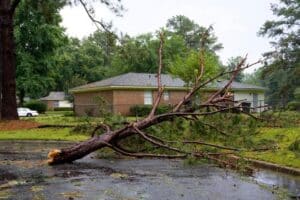
- Storm-damaged limbs that haven’t been cleaned up
In Northern Virginia, a specific item belongs on that list: dead and dying ash trees. Established neighborhoods in Arlington, Alexandria, and Falls Church are full of ash killed by emerald ash borer (EAB), and buyers will notice them.
PRO TIP: Aim for four to six feet of clearance between tree limbs and the roofline. It’s the standard inspectors expect, and it protects the roof from abrasion and squirrel highways into the attic.
Which Tree Services Should You Prioritize Before Listing?
Three services drive almost all the value when prepping a property for sale:
- Removing trees that are clearly problems
- Grinding the stumps that hurt curb appeal
- Doing light safety pruning
Remove Dead, Dying, and Hazardous Trees First
Dead and hazardous trees show up in both inspector reports and listing photos, so they have to go first. Anything within striking distance of the following is a priority:
- House
- Driveway
- Front walkway
In most Northern Virginia neighborhoods that particularly means dead ashes because a buyer’s agent will spot them before the showing is scheduled. Professional tree removal handles trees that have already failed or are clearly headed in that direction.
Grind Old Stumps in the Front Yard
Stumps are the biggest win, visually, for the cost. They photograph terribly, signal the previous problem tree didn’t get finished, and are less expensive relative to a removal. This matters on most tighter Arlington and Alexandria lots where the front yard offers the most of the curb appeal. Stump grinding is usually quick, relatively affordable, and delivers a strong return for the amount of work involved.
Schedule Light Safety Pruning, Not Heavy Reshaping
The goal here is clearing the roof, removing deadwood, and cleaning up storm damage; not reshaping mature trees. Heavy structural pruning right before listing can leave a tree looking stressed or sparse in photos.
SPECIES NOTE: Avoid major pruning of oaks between April and July, when oak wilt is most active. Stick with professional pruning focused on safety and clearance.
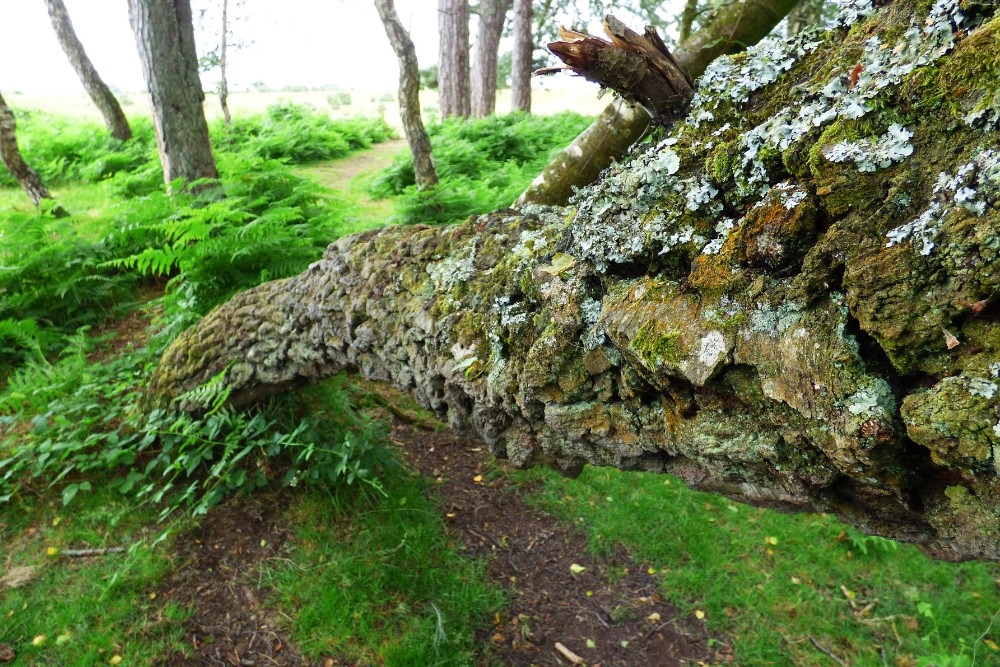
Leaning trees, especially those near a structure or walkway, are one of the most common items home inspectors flag during a pre-listing inspection.
Do Sellers Have to Disclose Dead or Hazardous Trees in Virginia?
In Virginia, sellers aren’t required to volunteer information regarding tree problems. Virginia is a caveat emptor state, and the standard residential property disclosure form is a non-disclosure statement. It tells the buyer the seller isn’t making representations about the property’s condition, and the buyer is responsible for their own due diligence.
Still, sellers can’t lie when directly asked, and they can’t actively hide a known problem. Covering rot or hiding hazards creates real fraud liability under Virginia Code § 55.1-713. Once a buyer asks about a specific tree, the answer has to be the truth.
That’s where a written arborist assessment earns its value. It’s not a legal substitute for anything on the disclosure form, but it gives you a dated, signed document to hand over when a buyer’s agent asks about the trees.
How Far in Advance Should You Schedule Tree Work?
Most pre-listing tree work needs four to eight weeks of lead time, but the right window depends on scope.
Six Months Before Listing – Major Work
The following benefit from a six-month head start:
- Large removals near the house
- Structural pruning of mature oaks
- Multi-tree projects
Six months allows the landscape time to recover, pruning cuts to compartmentalize, and larger removals to feel less visually abrupt by the time listing photos are taken. For spring and early-summer listings, late fall through winter is usually the ideal window for major tree work.
Four to Eight Weeks Before Listing – Standard Prep
This is the realistic window for most sellers. With enough time to schedule the work and let the property settle before listing photos, the following all apply:
- Tree removals
- Stump grinding
- Safety pruning
- Deadwood cleanup
One to Two Weeks Before Listing – Final Cleanup
The last couple of weeks are for quick, visible fixes, such as:
- Storm-damaged limbs
- Fallen branches
- Last-minute deadwood
True emergencies, like a damaged limb threatening the house or power lines, get emergency tree service on a same-day basis regardless of where you are in the timeline.
Frequently Asked Questions About Tree Work Before Selling a House
Should I remove a dead tree before selling my house?
In most cases, yes. Especially if the tree is:
- Visible from the street
- Within reach of the house
- Near the driveway
Buyers and inspectors will flag it, and removal before listing almost always costs less than the credit a buyer will demand at closing.
Do I have to tell buyers about a dead tree on the property?
Since Virginia is a caveat emptor state, sellers don’t have to volunteer the information on the standard disclosure form. That said, you can’t lie if a buyer asks you directly, and you can’t actively hide the problem. A written arborist assessment is the cleanest way to handle the question.
Should I trim trees right before the listing photos?
Light safety pruning and deadwood removal are fine close to photo-day. Heavy structural pruning is better done weeks or months in advance, since fresh major cuts can leave a tree looking sparse or stressed in photos.
Do home inspectors check trees?
Yes, most home inspectors note visible tree hazards in the report, including:
- Dead trees
- Branches over the roof
- Leaning trunks
- Large stumps
Typically, they recommend a follow-up arborist evaluation if anything looks serious.
What if I find out about a tree problem after the home is already listed?
Address it as quickly as possible. Have a certified arborist assess the tree so you understand the severity of the issue and have documentation ready if buyers start asking questions. Depending on the problem, the solution may involve removal, pruning to reduce risk, cabling or bracing for structural support, or other mitigation work that improves the tree’s condition and safety before the inspection period begins.
The worst outcome is a buyer’s inspector identifying the issue first, because that’s when tree problems tend to turn into rushed negotiations, closing delays, or bigger repair credits than the work would have originally cost.
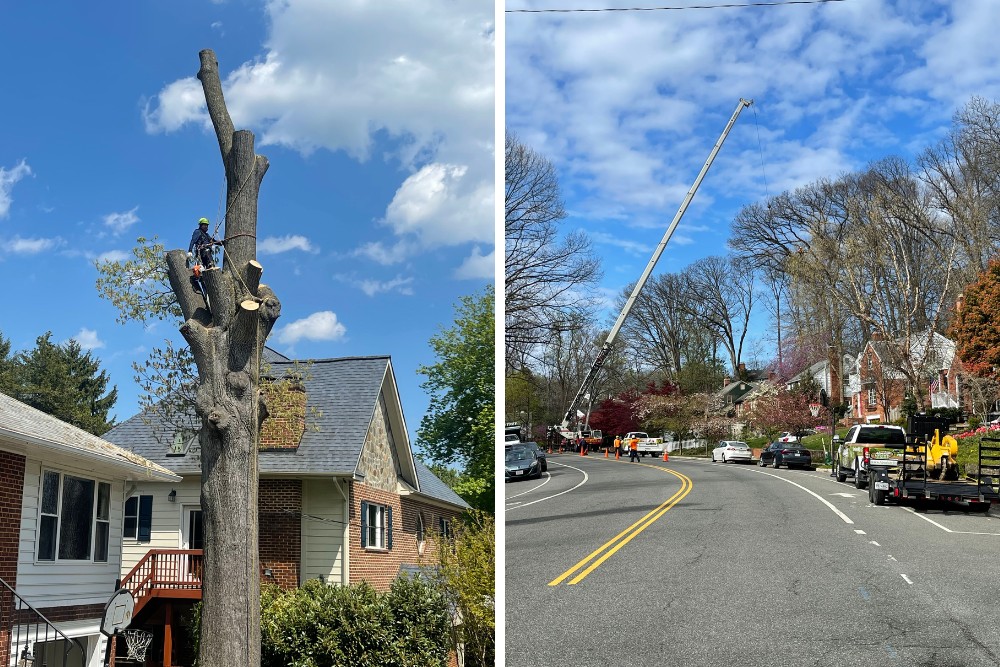
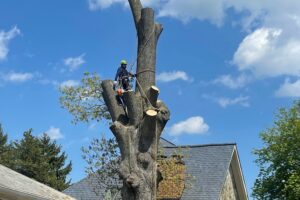
Hazardous trees within striking distance of the house often require crane-assisted removal — the kind of work that should be handled well before listing photos are scheduled.
Get Professional Tree Work from Absolute Tree Before Selling a House
The point of pre-listing work is to remove the visible problems that cost real dollars at the negotiating table. Tree work is one of the few prep decisions that protects sellers in both directions: it cleans up the listing photos and gives you documentation if a buyer’s inspector asks questions.
If you’re in Arlington, Alexandria, Falls Church, or anywhere else in our Northern Virginia service area and starting to think about a spring or summer listing, now is the time to walk the property with an arborist. Request an estimate for tree work, or schedule an arborist assessment by calling 703-969-6207 if you want documentation in hand before you put up the “For Sale” sign.
For the Absolute Best Tree Service in Northern Virginia, call Absolute Tree Today!
Author Profile: Ashley Davis
Over the last 19 years, Absolute Tree has grown a reputation as one of the premier tree service companies in the Northern Virginia areas. And there’s a good reason for this—we love trees and our passion for them shows. When you call on Absolute Tree for tree service, you aren’t just getting “some guys who cut down trees.” You’re hiring highly skilled arborists who understand the growth of trees and consider tree care an art form.
Recent Articles
About Absolute Tree Service
Over the last 19 years, Absolute Tree has grown a reputation as one of the premier tree service companies in the Northern Virginia areas. And there’s a good reason for this—we love trees and our passion for them shows. When you call on Absolute Tree for tree service, you aren’t just getting “some guys who cut down trees.” You’re hiring highly skilled arborists who understand the growth of trees and consider tree care an art form.
Stay Up-to-date!
Swing in each month for new articles, pest alerts, local resources, tree care tips, tree health updates, and landscape maintenance ideas

